Field Notes: GEO observations and AI delivery practice
Field Notes has two sections: GEO Notes tracks how AI answers and search demand shift; Delivery Notes records FDE on-site work, RAG evaluation and acceptance.
76 notes · two sections · updated weeklyLatest 2026-11-24
GEO Notes66
Platform shifts and verifiable numbers: what changes inside AI answers, measured across five engines.
AI 答案里,品牌为什么会被说错:三个字段没人写清楚
模型没有针对你。它只是把公开语料里互相矛盾的信息按概率拼了出来。地址、业务口径、信源归属,这三处一旦缺失或打架,回答就会走形。
Read the note →
五个 AI 引擎的引用偏好不一样,同一篇稿子要改的是这四处
同一篇内容在豆包、DeepSeek、Kimi、文心、元宝里被引用的概率不同。不是引擎脾气不同,是检索源、切段方式、判断依据不同。
Read the note →
Tencent Yuanbao: The Front Row for Official-Account Content
Grown inside the WeChat ecosystem, its content sources and spread are close to social. Companies with an existing official account start at the lowest cost.
Read the note →
Kimi: Industry-Member Credibility in Long-Form Content
Users here are working on a study. They read long answers, check sources, compare. Winning a paragraph here earns not exposure but identity.
Read the note →
Qwen: The Enterprise-Service Opportunity in Transactional Queries
Users ask casually while writing plans, building spreadsheets, looking up materials. Questions are enterprise- and transaction-level; the answer must be directly usable at work.
Read the note →
Wenxin Yiyan: Users Moved Over from Search Want Things Explained Clearly
Lots of informational queries happen here. Users want to know what it is, what kinds exist, how it works; purchase intent is not yet strong.
Read the note →
Technical Discourse in DeepSeek: Making Reasoning Evidence-Based
Users willing to chase the principle gather here. They do not want the conclusion; they want the basis for the judgment.
Read the note →
Brand Visibility in Doubao: Winning Colloquial Questions and Short Answers
Doubao users rarely type keywords; they speak a full sentence. Whether your content can be cited in the first sentence decides whether you have a chance.
Read the note →
Technical Buyers Ask AI First: Parameters, Boundaries and Verifiable Facts
Technical users do not need to be persuaded; they need grounds to judge. Press-release-style brand intros barely work here — a different set of content assets is required.
Read the note →Delivery Notes10
How the work actually gets done: FDE on site, RAG evaluation, acceptance and diagnosis, written by week and threshold.

FDE 进场第一周:先别写代码,做这四件事
驻场工程师第一周最容易犯的错,是急着交付一个能跑的东西。真正决定项目能不能落地的是这一周建立的四份共识。
Read the note →
RAG 上线前先做评测集:没有这 30 道题,后面全是盲改
检索增强最贵的不是模型调用,是改了不知道有没有变好。评测集的作用,是把主观争论变成可复现的分数。
Read the note →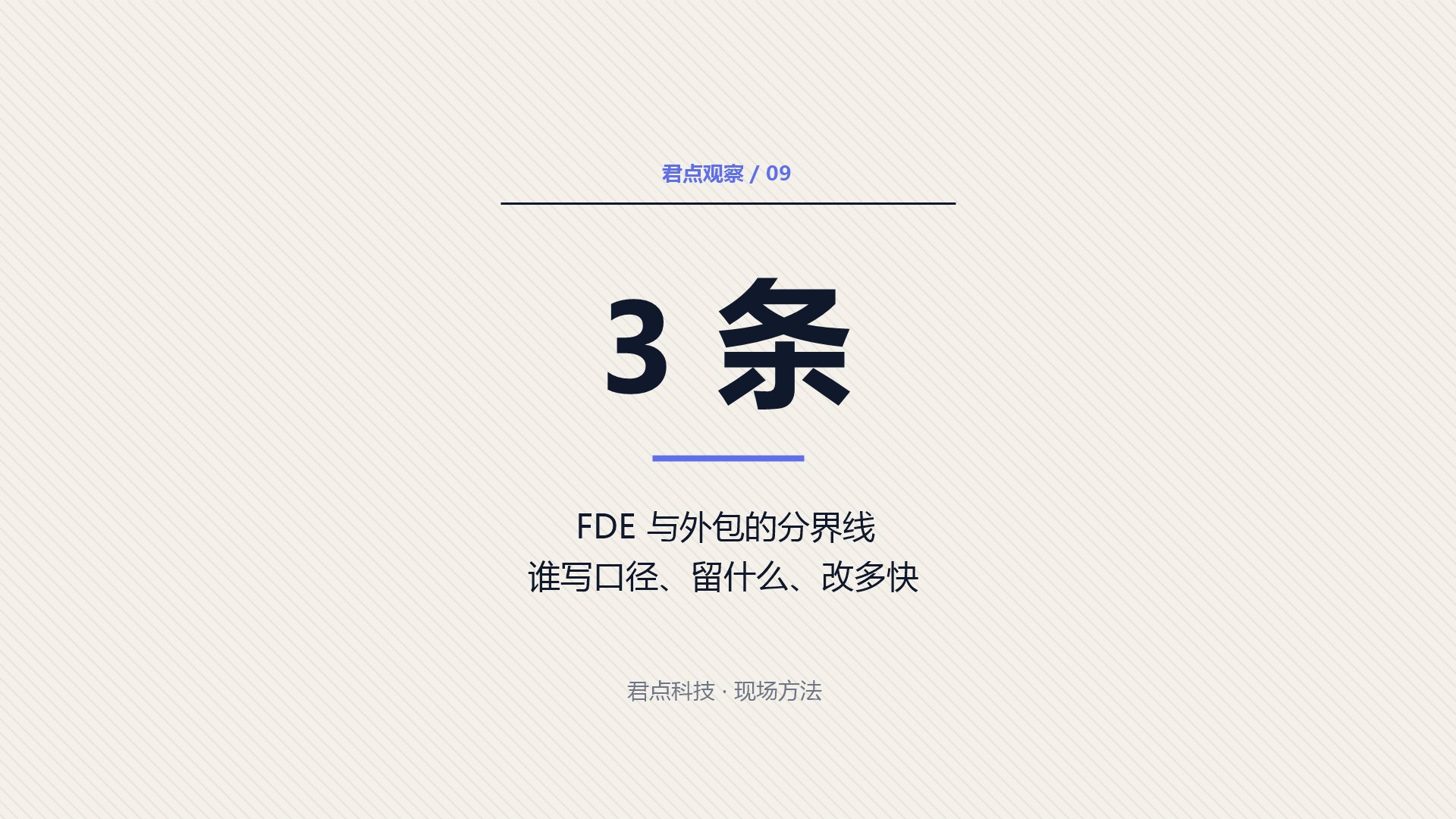
FDE 和外包的差别:一个是把能力留在现场,一个是交付完就走
两者报价能差出一倍,但真正拉开差距的不是人天,是知识留在谁那里。判断标准只有一条:三个月后系统改了,谁还能改。
Read the note →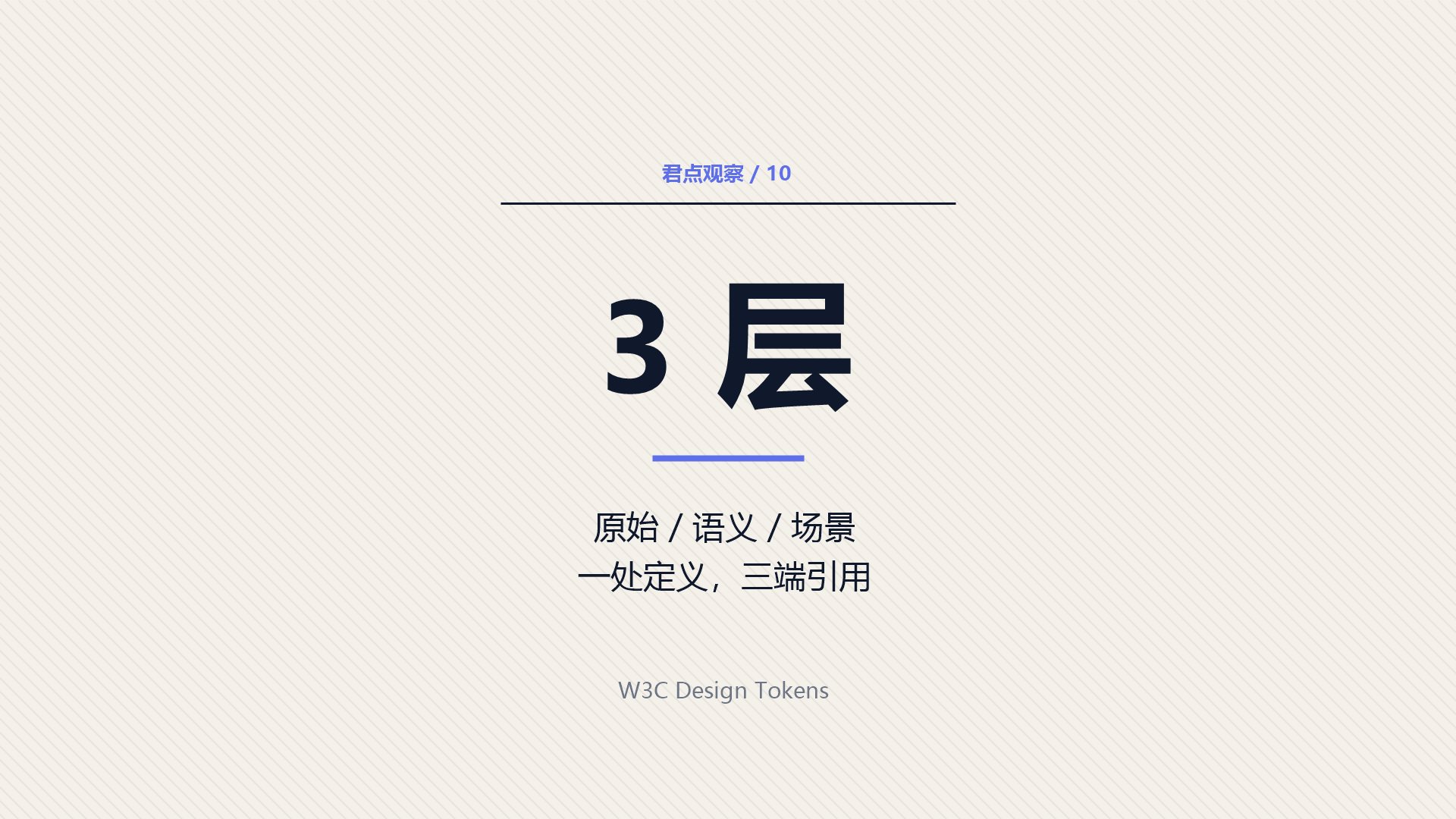
多端一致靠的不是设计稿,是令牌:一套 token 管三端
同一套界面在网页、Mini program、后台三处慢慢走形,通常不是设计没画好,而是颜色和间距以硬编码的形式散落在三个代码库里。
Read the note →
评测集怎么出题:从 30 条真实提问开始,别从模板批量生成
用模板批量生成的评测题,看起来很整齐,测不出真实系统的问题。有效的题来自三个地方:客服记录、审批退回理由、业务方自己的疑问。
Read the note →
诊断报告怎么写才有人看:三页纸,一个结论,三个动作
诊断报告的失败通常是太厚。决策人只在前 30 秒决定要不要看完,所以第一页必须给出他今天能拍板的一句话。
Read the note →
FDE 第二到第四周:从能跑到敢用,中间差三道验收
第二周系统能跑,第四周业务敢用,中间隔的不是功能数量,是三道验收:数据对不对、错了能不能停、责任归谁。
Read the note →
验收的三条硬指标:可观测、可回滚、可移交
功能验收通过、上线两周后没人敢改,这种情况很常见。原因是验收只查了功能,没查系统在出事时能不能被看见、被撤回、被接手。
Read the note →
知识库建了三遍还是搜不到:四个断点,和一条排查顺序
重建知识库是很多团队的本能反应,但"搜不到"通常发生在四个固定位置。按顺序排查,比重建省两个月。
Read the note →